
Root canal procedures rely on nickel-titanium (NiTi) rotary files for efficient cleaning and shaping. However, rotary file breakage (endodontic instrument separation) is a dreaded complication that can stress clinicians and jeopardize treatment success. Fractured files may block canals, lead to infection, or require complex retrieval. Fortunately, instrument separation is largely preventable with the right techniques, tools, and precautions. In this comprehensive guide, we outline 30 essential tips to avoid NiTi rotary file breakage, grouped by category. These recommendations emphasize practitioner experience, proper file handling, and proven strategies to minimize cyclic fatigue and torsional stress – the two main culprits behind file fractures.
By following these best practices, dental professionals can enhance NiTi rotary file safety and protect both their patients and their peace of mind.
Clinician Readiness and Case Assessment (Tips 1–4)
Even before picking up a rotary file, the clinician’s preparedness and case evaluation play a critical role in preventing file separation.
Ensure you have the experience, expertise, and case knowledge to approach each root canal safely:
1. Maintain Proper Training and Continuing Education
Stay up-to-date with endodontic techniques and NiTi rotary file systems through training courses, literature, and hands-on practice. Greater experience and knowledge improve your technique (reducing procedural errors) and build confidence in using advanced instruments.
If you are less experienced with a particular file system or complex anatomy, consider mentorship or continuing education to hone your skills. In short, don’t tackle cases beyond your comfort level – know when to refer extremely difficult cases or seek specialist advice. A well-trained clinician is far less likely to break an instrument due to improper technique or lack of understanding.
2. Evaluate Each Case’s Root Canal Anatomy and Difficulty
Every tooth is different. Assess the case complexity by evaluating the tooth’s root and canal anatomy before beginning treatment . Curved or calcified canals, multiple merging canals, or other anomalies can increase stress on files . Study pre-operative radiographs for clues: for example, trace the periodontal ligament outline on the x-ray to discern root curvature and canal morphology.
Anticipating challenges (like abrupt apical curves or S-shaped canals) will guide your strategy – you might plan to use more flexible files, perform additional glide path creation, or modify your instrumentation technique accordingly. By understanding the anatomy up front, you can minimize surprises that often lead to instrument separation.
3. Review Radiographs Thoroughly (and Consider 3D Imaging)
Always take high-quality diagnostic radiographs before root canal instrumentation and analyze them in detail . Use multiple angles (e.g. straight-on and shift shots) to reveal curvatures or bifurcations that a single view might hide.
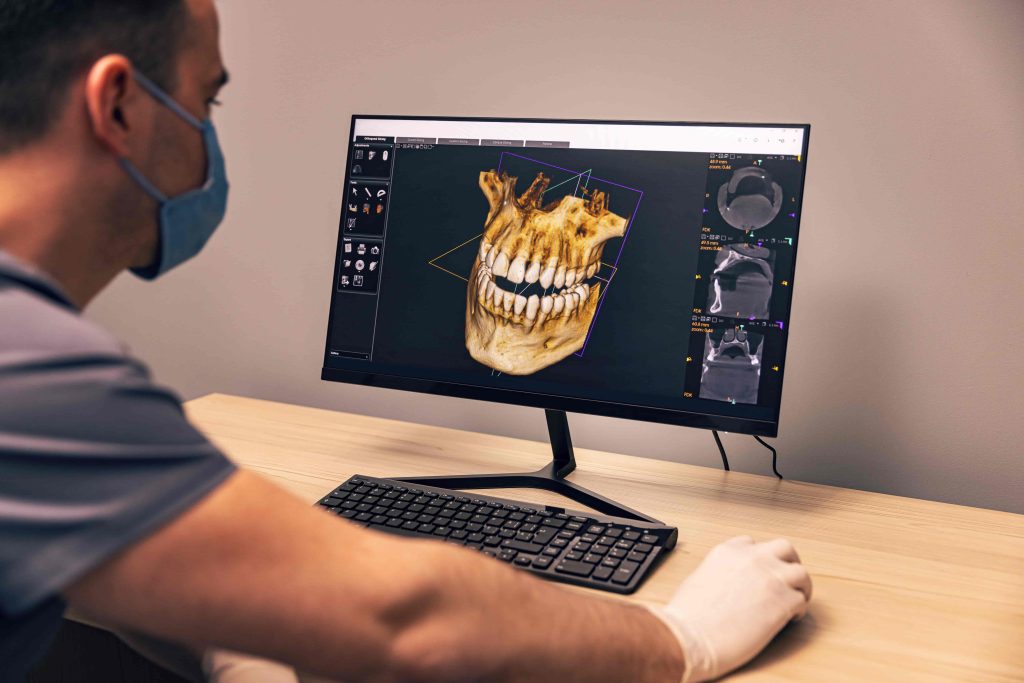
As the saying goes, “Don’t wait to take the X-ray after you break the instrument – take it before, and keep yourself out of trouble!” . In complex cases, consider 3D imaging like CBCT scans for a more detailed map of canal anatomy.
Careful radiographic assessment helps you plan straight-line access, anticipate canal curvature severity, and select the appropriate file system and technique, all of which reduce the risk of file fracture.
4. Use High Magnification for Better Visualization
Improve your visual acuity by using magnification tools such as dental loupes or an operating microscope during endodontic procedures. Enhanced lighting and magnification let you clearly see the pulp chamber floor, canal orifices, and any calcifications or curvatures.
This aids in achieving precise straight-line access to canals and detecting subtle changes (like a file starting to unwind or debris packing). Identifying the “pulp chamber map” and canal entries under high magnification helps prevent iatrogenic errors and ensures you guide instruments in the true canal path.
In short, better visualization equates to better control – and a lower chance of binding or breaking a file deep in the canal.
File Selection and Maintenance (Tips 5–12)
Choosing the right instruments and caring for them properly is paramount for NiTi rotary file safety. High-quality files and good maintenance practices will significantly decrease the likelihood of unexpected file separation. Implement these tips for selecting and managing your rotary instruments:
5. Choose High-Quality NiTi Rotary Files with High Fatigue Resistance
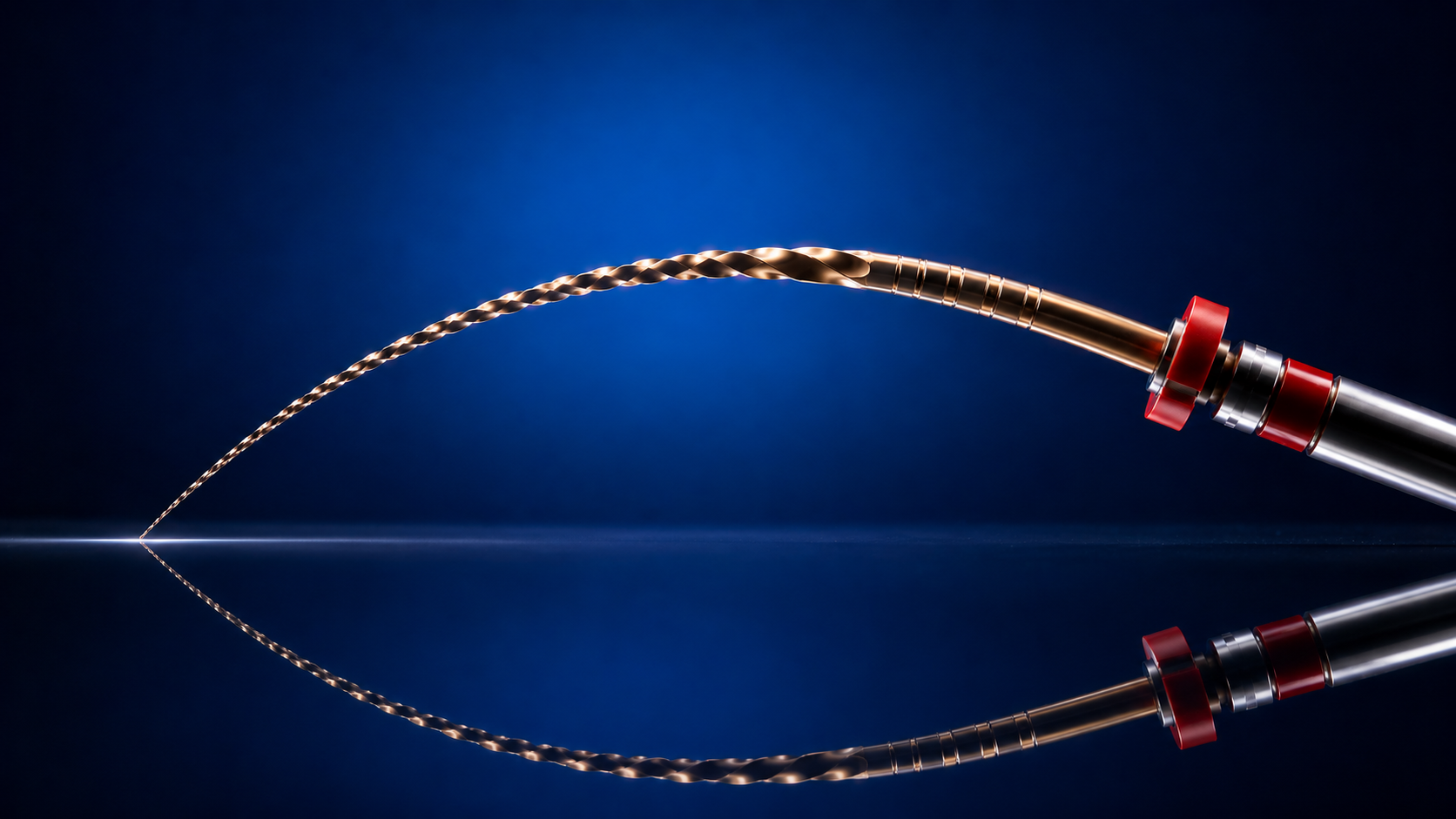
Not all rotary files are created equal. Opt for NiTi rotary files (for example, modern heat-treated or controlled-memory files) that are known for superior torsional strength and cyclic fatigue resistance.
Advanced metallurgy and flexible designs can tolerate more stress and curvature before fracturing. When possible, use file systems that have proven performance and high fracture resistance– for instance, files that boast enhanced flexibility (such as gold or blue thermal-treated NiTi) or special coatings. These may come at a slightly higher cost but are an investment in safety.
Using reputable, well-designed file systems (like the ones offered in our NiTi rotary files category) greatly reduces the risk of instrument failure during use.
6. Inspect Files for Unwinding or Damage Before and During Use
Make it a habit to visually inspect each file every time you use it. Before instrumentation, check the file’s flutes under good light (and magnification) for any signs of unwinding, twisting, or microscopic cracks.
A NiTi file that has partially unwound (flute pitch looks irregular or straighter) is a red flag for imminent fracture – immediately discard any unwound instrument . Likewise, during use, pause periodically to examine the file’s tip and flutes for distortion or metal fatigue. Often, instrument separation is preceded by visible signs like unwinding or microfractures . By catching these warning signs early, you can replace the file before it breaks. Remember the adage: when in doubt, throw it out. Keeping a fresh, intact instrument in the canal is far safer than risking a compromised one.
7. Wipe and Clean File Flutes Frequently to Remove Debris
During instrumentation, dentin debris can accumulate in the file’s flutes, increasing friction and stress on the instrument. After using a file in the canal, wipe it clean with alcohol-soaked gauze or a sponge to remove debris and dentin mud. Cleaning the flutes after each insertion not only improves cutting efficiency, it also prevents debris compaction that could cause the file to bind.
Research indicates that dentin chips wedged in a file can propagate microscopic flaws in the metal and contribute to instrument failure . Thus, routinely clearing the flutes will prolong the file’s life and reduce fracture risk. In addition, frequent cleaning allows you to better inspect the file for any signs of wear or unwinding as noted above.
8. Limit the Reuse of Rotary Files – Especially Small Sizes
Do not overuse your NiTi files. Every rotation in a curved canal accumulates metal fatigue. The more timalan inaro chi kar konam?es a file is used, the greater the chance it could fail on the next use.
This is especially true for small diameter files (size #15, #20) and those with greater taper, which are more prone to cyclic fatigue.
Many experts recommend a NiTi rotary instrument be used only a handful of times (often no more than 1–3 uses per file in most cases) before discarding .
Exactly how many uses a file can endure will depend on the canal anatomy and the specific file design , but the principle is to err on the side of caution.
If a file has already shaped several canals or was used in a very curved or difficult canal, do not reuse it for a critical case. By limiting reuse, you significantly cut down the cumulative metal stress that leads to unexpected breakage.
9. Opt for Single-Use Files Whenever Feasible
The safest protocol to virtually eliminate instrument fatigue failure is single use: using a NiTi rotary file for only one tooth (or even one canal) and then discarding it. A fresh file offers maximum strength and cutting efficiency, whereas a reused file carries some degree of microscopic fatigue from prior cases. Many endodontists choose single-use for certain critical instruments or for all their rotary files as a precaution.
While single-use NiTi files incur higher cost, they greatly reduce the chance of breakage – studies show that new files have far lower separation rates and can boost efficiency and peace of mind . Some clinicians compromise by using a file only in one molar case (with its multiple canals) or a few smaller cases, but not beyond. If cost permits, adopting a single-use policy (especially for thin or high-stress instruments) is an excellent way to minimize rotary file breakage risk .
10. Follow Manufacturer-Recommended Usage Guidelines
Always defer to the manufacturer’s instructions for each rotary file system regarding optimal use. File developers provide guidance on the maximum number of uses, recommended torque settings, and canal types the instruments can handle. For example, some brands might specify that a particular file is single-patient use only, or not to be used in extremely calcified canals. Adhere to these recommendations on file durability and do not exceed the intended usage. If the manufacturer suggests discarding after three uses, do not push it to a fourth.
Likewise, only use each file for the functions it’s designed (e.g., orifice openers for coronal flaring, glide path files only for glide path) to avoid undue stress. The people who engineered the file have tested its limits – following their guidelines will keep you within safe operating parameters.erstone of modern digital workflows, especially in complex or high-risk cases.
11. Never Instrument a Dry Canal – Always Irrigate Generously
Lubrication is critical. Avoid using rotary files in a dry canal at all costs. A dry canal produces extreme friction and heat, which dramatically increases the torque required to cut dentin.
In fact, running a NiTi file without any irrigant or lubricant can require 6–7 times more torque than when the file is properly lubricated . This excessive torque can quickly lead to torsional stress and file breakage.
Instead, flood the canal with irrigant (e.g. sodium hypochlorite)throughout instrumentation – the liquid acts as a lubricant and coolant, reducing friction on the file.
At the start of canal negotiation, before using rotaries, you should also introduce a viscous chelating lubricant. Together, the irrigating solution and gel greatly reduce binding between the file and canal walls. Keeping the canal consistently wet and lubricated ensures the rotary file can spin freely with less resistance, significantly lowering the risk of separation .
12. Use EDTA Lubricant Gel in Addition to Irrigants
In conjunction with your liquid irrigant, apply an EDTA-based lubricating gel (such as RC Prep or a similar chelator) during rotary instrumentation. These gels coat the canal walls and file, further decreasing friction and aiding debris removal. A water-soluble EDTA cream helps to soften dentin smear layer and chelate calcifications, making negotiation easier.
For example, a product like MD-ChelCream EDTA gel can be placed on the file or inside the canal to ensure smooth file movement. By using a gel along with constant sodium hypochlorite irrigation, you create a slick interface that minimizes screw-in forces and torsional load on the file. The result is a safer instrumentation process with the NiTi file cutting efficiently rather than binding. Always rinse out the gel with irrigant between file sizes to prevent debris accumulation. This one-two punch of irrigant plus lubricant keeps your files gliding and greatly lessens the chance of a bind-and-break incident.
Safety Protocols During Treatment (Tips 13–17)
Patient and instrument safety measures should never be overlooked. These protocols help protect the patient (from swallowing/aspirating a broken file) and set the stage for stress-free, controlled instrumentation. Prioritize these safety fundamentals every time:
13. Always Use a Rubber Dam for Isolation
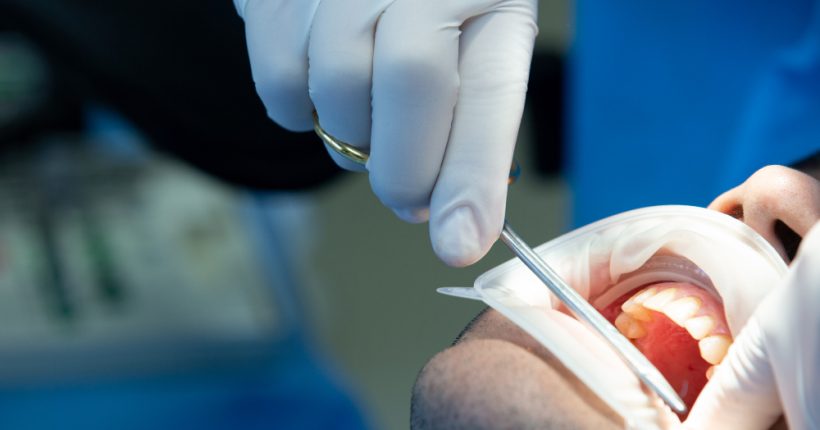
Absolute isolation of the tooth with a rubber dam is mandatory in endodontics – and it’s a critical safety step in the context of file breakage. In the unfortunate event a file does separate, a rubber dam will prevent the file segment from dropping into the patient’s throat or being aspirated. Beyond that, the rubber dam keeps the field dry and free of saliva, allowing you to focus on careful instrumentation without contamination.
It also improves visibility and patient management (no tongue or cheek interference). Essentially, placing a rubber dam is a must for every root canal treatment. This simple barrier protects the patient and provides the clinician with a controlled environment to work cautiously, thereby indirectly reducing haste or mishaps that could lead to a broken instrument.
14. Pre-Bend Files to Navigate Curved Canals
When dealing with canals that have a noticeable curvature, pre-bend your stainless steel hand files (and even NiTi files, if they are not controlled-memory types) before insertion.
Although NiTi rotary files are very flexible, introducing a slight curvature on the first few millimeters of the file can help it slide smoothly into curved canal trajectories, especially if using certain heat-treated files that can be prebent.
Pre-bending is typically done for hand files (like a #10 K-file) to negotiate the canal’s initial curvature or to bypass a ledge.
This practice reduces the lateral stress on the file tip by matching the canal anatomy, rather than forcing a straight file into a curved path. By conforming to the canal’s curvature, you lessen binding and torsional stresses on both hand and rotary instruments. Remember to only gently curve the file – excessive bending could weaken it; a slight bend is sufficient to improve navigation through curved sections of the root.
15. Recapitulate with a Small Hand File Between Each Rotary File
Recapitulation is the act of reintroducing a small hand file (such as a #8 or #10 K-file) to the full working length in between rotary file sequences.
This step ensures the canal remains patent (open) by clearing any dentin debris or dentinal mud that may have accumulated at the apex.
By periodically recapitulating and then irrigating, you prevent blockages that could cause a rotary file to bind or screw into a plugged canal.
In practice, after using a rotary file, withdraw it and irrigate, then take a #10 hand file to the apex to loosen debris, and irrigate again.
This cycle of rotary-use then recapitulation keeps the pathway clear and smooth. It also gives you an opportunity to feel if the glide path is intact and if any ledges are forming. Experts emphasize that recapitulating and cleaning between each instrument is a key technique to avoid pushing the rotary file against a blockage and causing torsional stress . It only takes a few extra seconds and can save your file from breaking.
16. Use a Sequential File Progression (Don’t Skip Sizes)
Always follow a logical, stepwise progression of file sizes during canal preparation. Skipping instrument sizes or jumping to a much larger file too quickly is a recipe for instrument stress and separation.
Each file in your sequence is designed to enlarge the canal incrementally; if you omit an intermediate size, the next file has to remove a disproportionate amount of dentin, increasing torque and fatigue on that instrument. For example, if you’ve shaped to a #20 file, don’t jump straight to a #40 – go through #25, #30, etc., as recommended.
Use the sequence provided by your rotary system (or your training) without arbitrarily skipping.
This is especially important in the early stages: establish the glide path with small files (e.g., 10, 15) before moving to shaping files, and then incrementally increase (20, 25, 30, etc.).
Even with systems that claim to use only one or a few files, you may still need adjunct hand files or orifice openers as intermediate steps. By not skipping sizes, you ensure each file only does its intended share of work, greatly reducing the chance of it binding or breaking due to overload.
17. Apply Light Pressure – Never Force a File Down a Canal
Perhaps one of the golden rules of safe endodontics: do not force instruments. Rotary NiTi files are not meant to be pushed with brute force; they are meant to cut with minimal pressure. Apply only a light apical pressure, just enough to keep the file progressing if it can. The moment you feel a file is not advancing with gentle pressure, stop and withdraw it – forcing it further can cause it to lock into the canal. Forcing a rotary file is likely to twist it until torsional failure occurs (comparable to twisting a pencil until it snaps).
Studies confirm that excessive force or torque is a leading cause of file separation . Instead of pushing harder when you meet resistance, consider that a sign to recapitulate or to switch to a smaller or more flexible file. Let the rotary file do the cutting at its own pace – when used correctly, it will gradually advance. If it isn’t, something is wrong (like debris blockage or an overly curved passage) that needs to be addressed. A light touch, patience, and respect for the file’s limits will nearly always prevent breakage due to operator force.
Canal Preparation Techniques (Tips 18–22)
Proper canal preparation sets the foundation for safe rotary instrumentation. These tips focus on how to shape and prepare the canal space in a way that minimizes stress on your files:
18. Achieve Straight-Line Access to Canal Orifices
Creating straight-line access to each canal is critical for reducing file flexure and stress .
This means removing restrictive tooth structure (like dentin ledges or pulp chamber overhangs) during your access cavity preparation so that your files can enter each canal in as direct a line as possible. When a rotary file has a clear, unbent path into the canal, it won’t have to flex excessively at the orifice or around a sharp coronal bend. Straight-line access eliminates unnecessary curvature, effectively reducing the “points of maximum flexure” on the file .
The result is less cyclic fatigue on the instrument and more efficient cutting. However, balance this with tooth structure preservation – remove just enough dentin to unbind your files while preserving pericervical dentin for strength. A well-designed access cavity that aligns with the canal’s trajectory will allow your files to work unencumbered and not curve multiple times, thereby greatly lowering the risk of separation .
19. Preflare the Coronal Third of the Canal Early
Preflaring refers to opening and enlarging the upper (coronal) portion of the canal at the start of instrumentation, typically using dedicated orifice openers or rotary files of larger taper in the coronal third.
By preflaring the canal entrance, you remove cervical dentin constrictions and create a more gradual taper into the canal. This has two major benefits: First, it reduces the binding and friction on subsequent smaller files by giving them more space to operate. Second, it significantly lowers the stress on files when they go toward the apical third, because the upper canal is already widened .
Studies have shown that preflaring can significantly reduce the incidence of rotary file breakage . Essentially, you are eliminating the tight coronal bottleneck that forces files to flex more. Use NiTi orifice openers or a Gates-Glidden drill carefully to flare the canal orifice after initial canal negotiation. Preflaring not only makes instrumentation safer but also improves irrigation penetration later on. It’s a small step that yields a big increase in safety for your NiTi files.
20. Establish a Glide Path with Small Hand Files Before Rotary Use
Never introduce rotary files into an unpatent or highly calcified canal without first creating a smooth glide path. A glide path is a minimal channel (usually up to a #15 or #20 hand file) that extends to working length, confirming that the canal is negotiable. Use small stainless steel hand files (such as #8, #10, #15) – even **C-Pilot files or other stiff negotiators for very narrow canals – to scout the full length of the canal. Always pre-curve these small files and gently work them to create a path.
This step is crucial: a rotary file will follow the path of least resistance, so if you haven’t cleared and secured a pathway, the rotary instrument might catch on a ledge or bind in an undetected curvature. Research confirms that using hand files to prepare the apical third of curved canals before introducing rotaries significantly reduces the incidence of file separation . In essence, no glide path, no rotaries – ensure you can get a #15 or #20 hand file to length and freely moving first. Many newer rotary systems even have dedicated glide path rotary instruments (often made of NiTi) – if you use those, still start with at least a #10 hand file as a pilot. A secure glide path means your larger files won’t hit unforeseen obstructions or tight spots that cause them to fracture.
21. Use the Crown-Down Technique for Shaping
Employ a crown-down instrumentation technique, where you begin cleaning the canal with larger files in the upper portions before progressing to smaller, more flexible files toward the apex. In practice, crown-down means you might start with a relatively larger taper or size in the straight coronal third after orifice opening, then step down to smaller sizes as you move apically.
This method contrasts with a traditional step-back (where you start small at the apex and enlarge outward). The crown-down approach reduces binding because each subsequent smaller file has less dentin to remove, having been pre-flared by the prior instruments .
It has been recommended for most rotary NiTi systems to minimize torsional load.
For example, you might use a size 40 or 35 rotary file in the coronal half, then a 25 at mid-root, and finally finish with a 20 at the apex (this is just an illustrative sequence – actual systems vary).
By pre-enlarging the canal in this top-down fashion , you lessen the work required of the smaller apical files, thereby decreasing the risk of file stress and breakage. Always ensure each file in the crown-down sequence can work easily to its prescribed depth without excessive force (if not, drop down to an even smaller size or do more coronal flaring).
22. Don’t Jump to the Next File Size Until the Current File Glides Freely
A common mistake that can lead to file fracture is advancing to a larger file before the canal is adequately prepared by the previous one.
Each file should be used until it is “done” – i.e., it can reach its intended working length easily and is not bringing out sizeable dentin debris anymore – before moving to the next size up.
If you try to force a larger file down a canal that hasn’t been fully opened by the prior instrument, the larger file will bind or screw in, causing high stress.
The key is passive progression: a rotary file should move passively and smoothly in and out of the canal with minimal pressure before you upsize .
For instance, if a #20 file is very tight and only goes 75% of the way, do not jump to #25; instead, continue with the #20 (with pecking motions and perhaps more coronal flaring) or use an intermediate size until the #20 file slides in and out easily.
Only then proceed to #25. By ensuring the canal is ready for the next file, you avoid the scenario of forcing a too-large file into an undershaped canal (which is a recipe for torsional failure ). Patience at each incremental size will save your files and possibly the tooth.
Proper Instrumentation Technique (Tips 23–26)
How you handle and manipulate the instruments is just as important as which instruments you use. The following tips cover the best practices during actual file manipulation to prevent undue stress on NiTi files:
23. Use a Watch-Winding Motion with Hand Files
When using stainless steel hand files for initial canal negotiation or during glide path creation, employ a watch-winding motion. This is a gentle back-and-forth twisting of the file (like turning a doorknob or winding a watch stem) while applying very light apical pressure. The watch-winding technique is considered the safest motion for hand files in tight or calcified canals because it minimizes the risk of the file locking in place. It also helps the file gradually advance by cutting on the turn and relaxing, rather than screwing in.
This motion, combined with frequent withdrawal to clean debris, will prepare the canal path without undue stress on the file.
Hand files can and do break as well, so treat them with the same caution – never force, and use the slight rotational wriggling action to feel your way down the canal. Once a glide path is established with hand files, your rotary instruments will follow more smoothly, reducing their risk of fracture.
24. Apply Gentle In-and-Out “Pecking” Motions with Rotary Files
Operate rotary NiTi files using a gentle pecking motion rather than pushing continuously. This means you insert the rotary file a millimeter or two, then withdraw slightly, and repeat – advancing in small amplitude in-and-out motions. These short pecks allow the file to engage dentin briefly and then disengage, which reduces the buildup of friction and heat. It also gives irrigant a chance to lubricate and flush debris after each peck. Importantly, the pecking motion prevents the file from being continuously locked in a curved section, thereby mitigating cyclic fatigue.
Research demonstrates that using a cyclic axial motion (pecking) significantly extends the time to failure of rotary files , in part by reducing torsional stresses. While pecking, use light pressure – let the file advance at its own cutting pace. The combination of pecking and light touch ensures the file is never strained. If you find you need a longer peck to advance, it may be time to irrigate, recapitulate, or switch to a smaller file. Always heed the principle: let the file “dance” its way down, rather than forcing a straight plunge.
25. Keep the File Moving – Don’t Pause in One Spot
Avoid leaving a rotary file spinning in one spot within the canal. Keep the file moving coronally or apically at all times during rotation. If you stop advancing and just hold the rotating file in place, even for a moment, you greatly increase the local stress and the risk of fatigue fracture . This is especially dangerous in a curved canal: holding a file at the curve concentrates flexion and cyclic fatigue at that point. One of the easiest ways to break a file is indeed to “let it wind itself” stuck around a curve without vertical movement .
To prevent this, use a continuous motion – either advancing the file or withdrawing it in a brushing action – but do not just stall the file inside. The moment you feel you cannot progress the file, withdraw it while rotating (or let auto-reverse kick in). In essence, dwell time kills NiTi files. Keeping a consistent motion distributes wear along the file’s length and avoids focusing stress in one spot . Thus, disciplined movement is a key technique: never just spin a file without progress, always be either going in or coming out in a controlled manner.
26. Use a Light Brushing Motion Against Canal Walls
In addition to pecking, incorporate a brushing motion with the rotary file, especially when withdrawing from the canal. This means you deliberately brush the file against the lateral walls on the outstroke to help remove debris and selectively enlarge any restrictive areas. Brushing action can reduce the tendency of some files to self-thread into the canal. By brushing, you essentially relieve pressure on the file by cutting away interferences rather than allowing the file to continuously screw deeper. It also helps to relocate the canal orifice slightly outward if needed, creating more space.
When brushing, do it gently and in a controlled way – don’t press so hard that the file bends; the aim is to let the file’s abrasive cutting edges plane the wall. This technique is particularly useful in canals that are oval or have eccentricities, as it ensures all walls are touched. The brushing motion reduces binding by keeping the file looser in the canal and helps avoid the “lock and twist” scenario. Always brush on the out motion (pulling out), not aggressively on the inward push, to avoid transportation. A light brushing sweep as you withdraw the file can be thought of as polishing the pathway, making it safer for the next insertion.
Speed and Torque Control (Tips 27–30)
Modern endodontic motors and proper setting choices can be your best allies in preventing file separation. These tips focus on using your endodontic motor’s features and settings optimally, and staying alert to the feedback it provides:
27. Use an Endodontic Motor with Torque Control and Auto-Reverse
If you’re still using a standard slow-speed handpiece with no torque limitation, it’s time to upgrade to a dedicated electronic endodontic motor. A good endo motor allows you to set a maximum torque; if the file encounters too much resistance and that torque threshold is reached, the motor will auto-stop or auto-reverse the rotation momentarily.
This feature is invaluable as a safety net – it helps prevent you from inadvertently applying excessive torque that could twist a file apart. Always engage the auto-reverse (or auto-stop) function when using NiTi rotaries. Many newer cordless motors, like the E-Connect S endomotor, also have adaptive torque and slow-down features that kick in as the file approaches binding.
These smart handpieces significantly reduce the incidence of separation due to torsional overload . In summary, don’t rely solely on your tactile sense – even experienced hands can miss the subtle warning of a file about to bind. Let a torque-controlled motor assist you by providing consistent, limited torque and an auto-reverse “safety clutch” when needed. It’s not a license to be careless, but it does add a layer of protection for your files.
28. Set the Recommended Speed (RPM) and Torque for Your File System
NiTi rotary file systems come with manufacturer-recommended speed (RPM) and torque settings for a reason. Adhering to those parameters is crucial for file longevity and safety . Always dial in the correct RPM as per the file’s instructions (many NiTi files operate in the range of ~300 to 500 RPM, but some specialized files use lower or higher speeds). Likewise, set the torque limit to the specified value (typically measured in N·cm) that the file can tolerate. Running a file at excessively high speed can amplify cyclic fatigue and cause it to fracture faster . Similarly, a torque setting that’s too high defeats the purpose of having a limit and may not stop the motor in time.
On the other hand, a torque that’s too low might cause unnecessary auto-reversals; so use the Goldilocks value recommended. Following the file manufacturer’s guidelines for speed and torque ensures optimal cutting performance without undue stress on the instrument . These companies base their recommendations on extensive testing. For example, if a file is to be used at 300 RPM and 1.5 N·cm, stick to that – don’t experiment with 600 RPM or cranking the torque up “for efficiency.” Consistency with recommended settings means the file behaves as expected, giving you predictable, safe results.
29. Avoid Overriding the Motor’s Safety – Don’t Push If Auto-Reverse Activates
When using a torque-controlled handpiece, pay attention to its feedback. If the motor starts to auto-reverse or bog down, it’s telling you that the file is under too much stress. Heed that warning: do not try to outsmart or overpower the motor’s safety function. For instance, if you have set a torque limit and the file keeps triggering auto-reverse at a certain depth, repeatedly forcing it will only increase the risk of separation (and could strip the canal). Instead, when auto-reverse kicks in or the file slows due to friction, withdraw the file, irrigate, and reassess.
You may need to recapitulate with a small file to clear debris, further pre-enlarge the canal, or simply let the file cool down if it’s been used for a while. The solution might also be to switch to a smaller or more flexible file for that section of the canal. The key point is: never ignore signs of binding or stress.
The motor’s stall or reverse is a built-in safeguard – take a step back and address the cause rather than pushing through it. Overriding the safety (like constantly pressing the foot pedal to push past an auto-stop) defeats its purpose. By working with your motor’s torque control, you’ll prevent those situations where the file is one twist away from breaking.
30. Stay Alert to Signs of File Fatigue and Replace Questionable Files
Even with all preventive measures, NiTi files can fatigue over time. A clinician exhibiting high attentiveness and trustworthiness will always err on the side of safety. Remain vigilant for any subtle changes in how the file feels during use – a file that suddenly starts vibrating differently, feeling less “sharp” in cutting, or shows even minor unwinding is signaling fatigue.
Also take note if a file has endured an unusual amount of stress (for example, it was constantly engaging a hard calcification or it withstood multiple auto-reverse events).
At the first sign of trouble, remove and discard the file – do not attempt to “get one more canal” out of it. The cost of a new file is trivial compared to the potential trauma of a separated instrument. Many clinicians will keep a log or simply have a strict policy: e.g., “if a file has done two molars or if it shows any defect, it’s done.” Adopting a conservative approach to file usage demonstrates professionalism and care. Trust your instincts, too: if something feels off, it probably is. By being proactively cautious and replacing files before they fracture, you uphold the highest standard of care and protect your patient. In summary: use each NiTi file judiciously, and when in doubt about its integrity, don’t risk it – replace it. Your peace of mind (and your patient’s tooth) are worth it.
Conclusion: Ensuring NiTi File Safety and Long-Term Success
Instrument separation is a complication that no dentist or endodontist wants to encounter. By implementing the 30 tips above, you can dramatically reduce the likelihood of rotary file breakage during root canal treatment. In review, focus on comprehensive case planning, proper file selection and care, straight-line access, thorough canal preparation, gentle tactile technique, and utilization of modern endodontic motors. Emphasizing these best practices addresses both major causes of file failure – cyclic fatigue and torsional stress – from multiple angles.
Even the most experienced clinicians continuously reinforce these habits, because maintaining Experience, Expertise, Authoritativeness, and Trustworthiness in endodontics means never becoming complacent about safety protocols. Remember that prevention is far better than managing a separated file: not only does it avoid additional procedures, but it preserves your patient’s trust and the success of the treatment. By prioritizing NiTi rotary file safety through training, careful technique, and adherence to guidelines, you ensure a smoother endodontic workflow. Ultimately, a cautious and methodical approach will pay off in the form of fewer broken files, more predictable outcomes, and peace of mind for both clinician and patient. Keep these tips as a checklist in your practice – your rotary instruments will thank you, and so will your patients.
Printed with permission from Flexivo Dental (https://flexivodental.com/top-30-tips-to-avoid-rotary-file-breakage/).